Impact Project

RESPONSIBLE SMALL-SCALE GOLD MINING IN COLOMBIA

In Colombia, small-scale gold mining is an important source of income for rural communities and local economies. However, many miners face challenges such as high compliance costs, limited access to technical support, weak institutional coordination, safety risks, and barriers to market access. Women and other underrepresented groups also face obstacles to participation. These challenges can affect the long-term stability and competitiveness of the sector.

The challenge

Towards a formalised gold mining sector in Colombia

Small-scale gold mining plays a major role in global gold supply and supports millions of livelihoods. Yet much of the sector operates outside formal systems. This means miners often lack access to legal markets, financial services, and environmental and labour protections.

Improving the sustainability and competitiveness of formal small-scale miners creates better working conditions, improves environmental performance, making livelihoods more stable over time.

OUR APPROACH

From fragmented efforts to joint solutions

Collaboration is the key enabler. It improves coordination, builds trust, and reduces risks, and helps align standards. Creating a practical pathway.

We bring actors together to build shared evidence, strengthen skills, and support dialogue.

Our  work connects small-scale miners, large-scale mining companies, authorities, academia, and community groups. This helps move from isolated actions to coordinated solutions.

THE CHANGE WE SEEK

A More Responsible and Collaborative Small-Scale Mining Sector

The aim is to improve conditions for small-scale miners by strengthening capacities, leadership, and collaboration.

The process links miners to responsible standards and markets, and supports collaboration between small-scale and large-scale mining. This helps position formalisation as a practical and competitive pathway. 

WHAT This Means

  • For mining companies: Clearer links between sustainability and operations.
  • For public authorities: Better evidence for policy and coordination
  • For mining-affected communities: Stronger participation and more stable livelihoods.


3 KEY Results

From CRAFT Capacity-Building to Joint Commitments for Accreditation

17 leaders from formal small-scale mining operations in Aris Mining’s supply chain identified risks, defined mitigation actions and strengthened their understanding of CRAFT’s role in meeting international due diligence standards. Building on this progress, the Alliance for Responsible Mining (ARM), the Colombian Mining Association (ACM) and Aris Mining agreed to pursue CRAFT Upstream accreditation. Comfama, Antioquia’s family compensation fund, committed to funding training for approximately 20 mining units and expanding CRAFT’s application to strengthen responsible practices in their operations.

A stronger network for collaboration

Government authorities, small-scale and large-scale mining companies, cooperatives, women’s organisations, academia, the Colombian Mining Association (ACM) Small-Scale Mining Chamber, the Alliance for Responsible Mining (ARM), and Women in Mining (WiM) Colombia strengthened their relationships and identified opportunities for continued collaboration. The process is helping to bring together actors that do not always work closely together, creating a stronger foundation for joint action.

Shared evidence informs future action

A baseline study provides a shared evidence base on the opportunities and challenges facing formal small-scale gold mining in Colombia. The process of developing the study is also contributing to stakeholders’ practical understanding of the sector and informing discussions on future priorities.

Project Timeline

September-October 2026 // Promoting Safer and More Inclusive Mining with a Gender Perspective

A series of webinars is being delivered in collaboration with ARM and Women in Mining Colombia on women in mining, gender-responsive occupational health and safety, and other relevant topics, addressing women’s participation and the changes needed to create a safer, more inclusive and equitable mining sector.
July 2026 // Sharing lessons from the CRAFT pilots

In Medellín, small- and large-scale mining companies, government authorities and academia exchanged lessons from the CRAFT pilots implemented by ARM with Aris Mining in Marmato and Segovia. The exchange explored how CRAFT and Towards Sustainable Mining (TSM) can strengthen collaboration, risk management and due diligence for more responsible and competitive gold value chains.

“These exchange spaces drive learning and continuous improvement between small-scale and large-scale mining.”
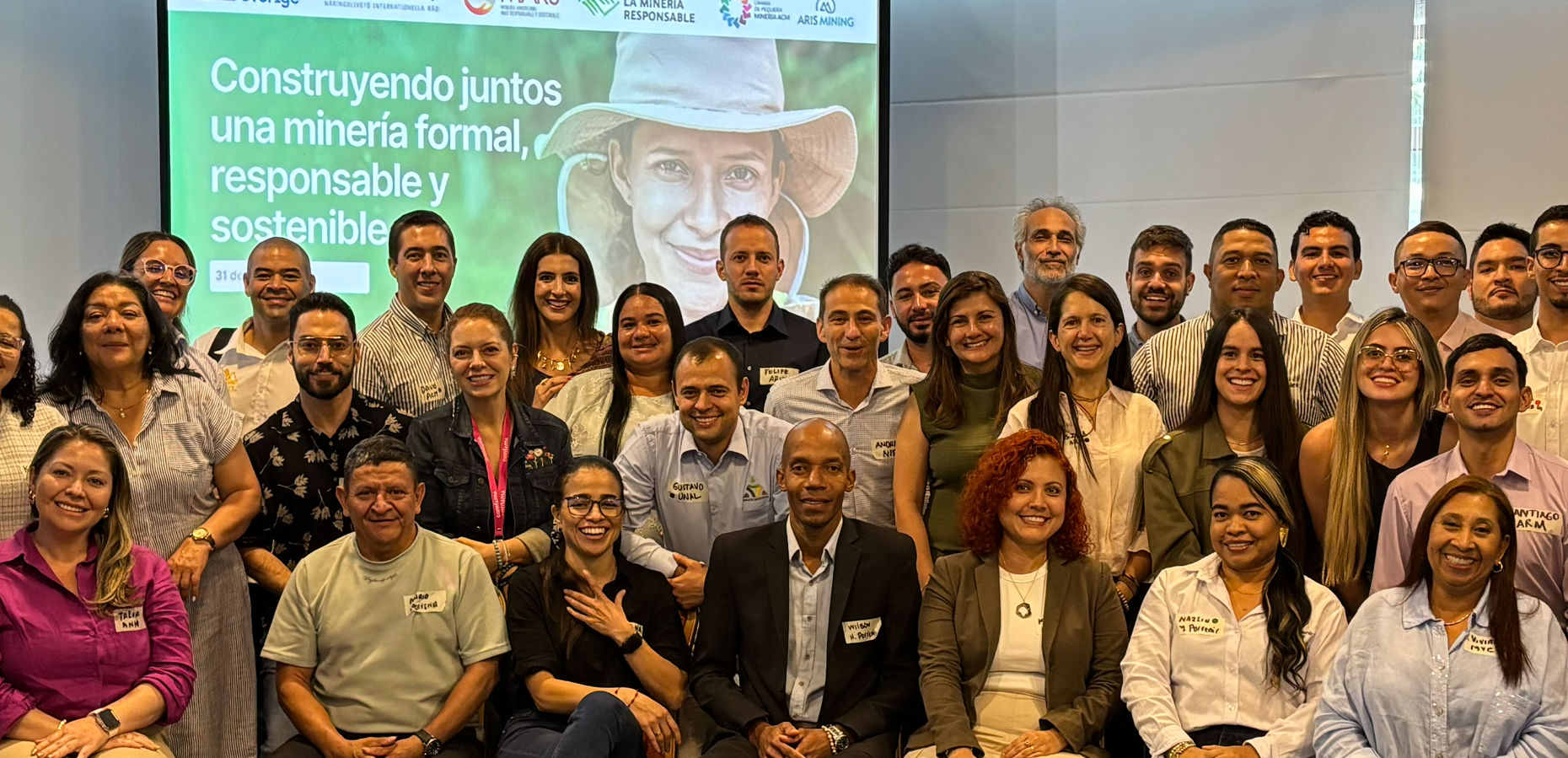
Stakeholders gathered in Medellín, Colombia, 2026.

May–July 2026 // Moving into advanced capacity-building

A second stage has focused on the CRAFT Code, mining sustainability, associative and business capacities, national visibility, and gender-focused mentoring through field diagnostics and in-person and virtual sessions in Marmato (Caldas), and Segovia (Antioquia), where the two active CRAFT pilots are being implemented.

“The work will continue throughout the year to strengthen compliance and establish a replicable model for other territories.”
CRAFT training workshop in Bogotá, Colombia, 2026.

June 2026 // Positioning due diligence as a competitiveness lever

Following two earlier MAPE Talks webinars promoted by the Alliance for Responsible Mining, one led by the Colombian Mining Association on associativity as a driver of innovation, and another led by MARS on due diligence as a key to purposeful and competitive mining, a third webinar organized with Women in Mining Colombia will focus on occupational safety and health from a gender perspective.
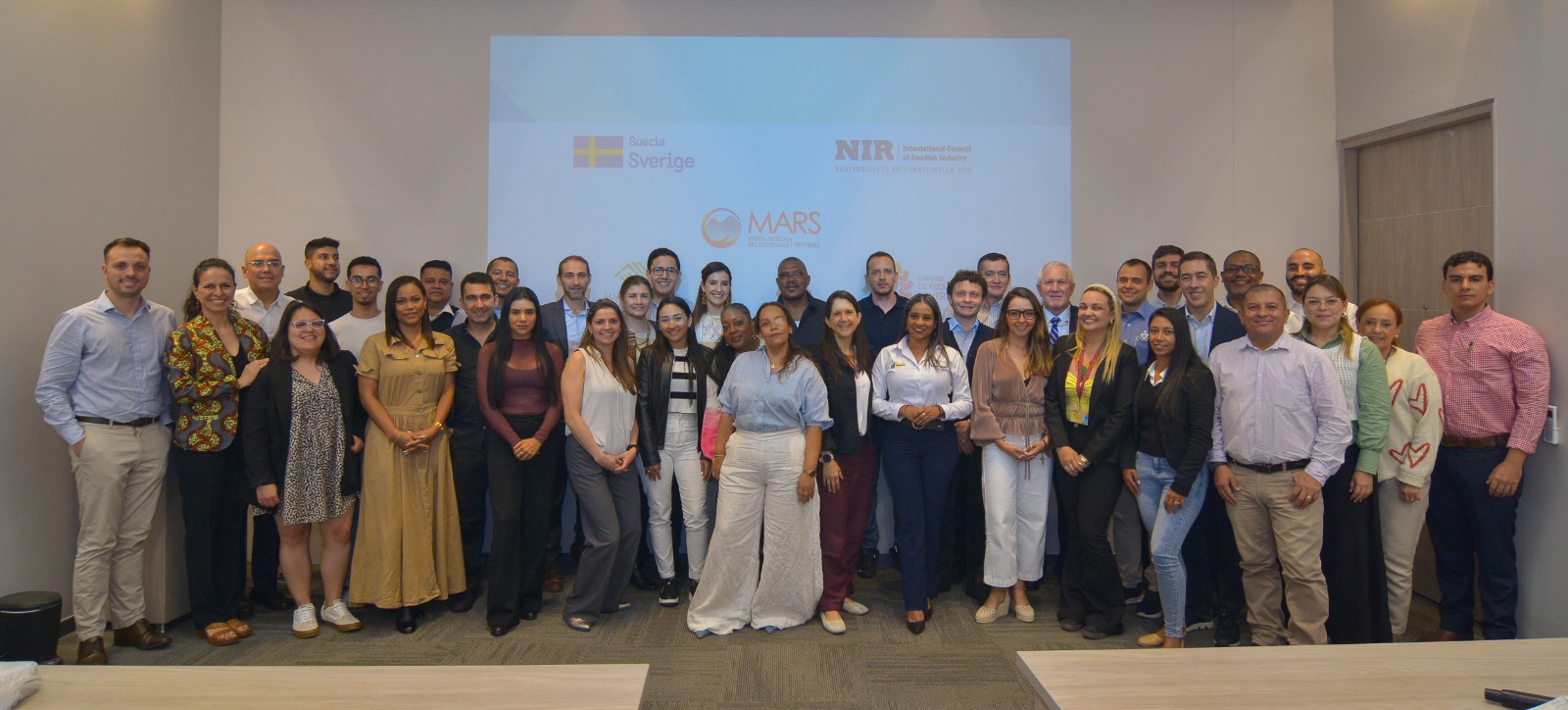
Stakeholder gathering in Medellín, Colombia, 2026.

December 2025 // Exchange at the Buriticá gold mine

A second territorial exchange deepened practical learning on collaboration between small- and large-scale mining actors, reinforcing the need for structured collaboration.
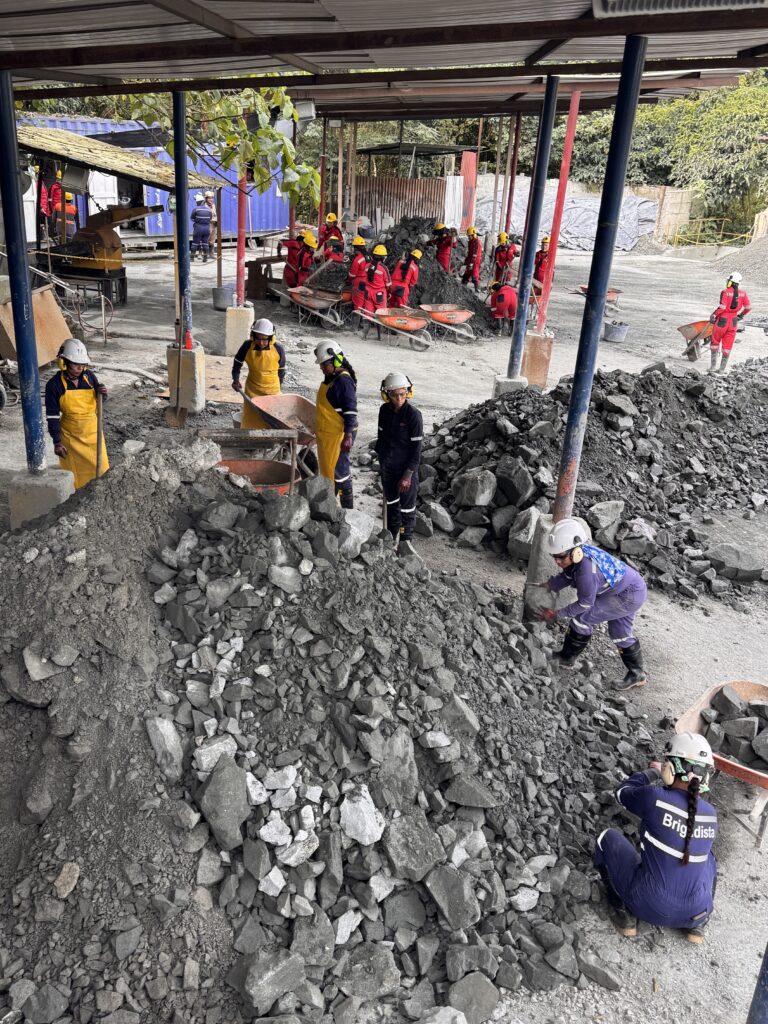
Visit to the Buriticá mine, Antioquia, Colombia, 2025.

November 2025 // Exchange based on the baseline study findings in Medellín

More than 40 representatives from government, companies, women’s organisations, academia, and small-scale mining actors discussed evidence, questions, and next steps for the process.
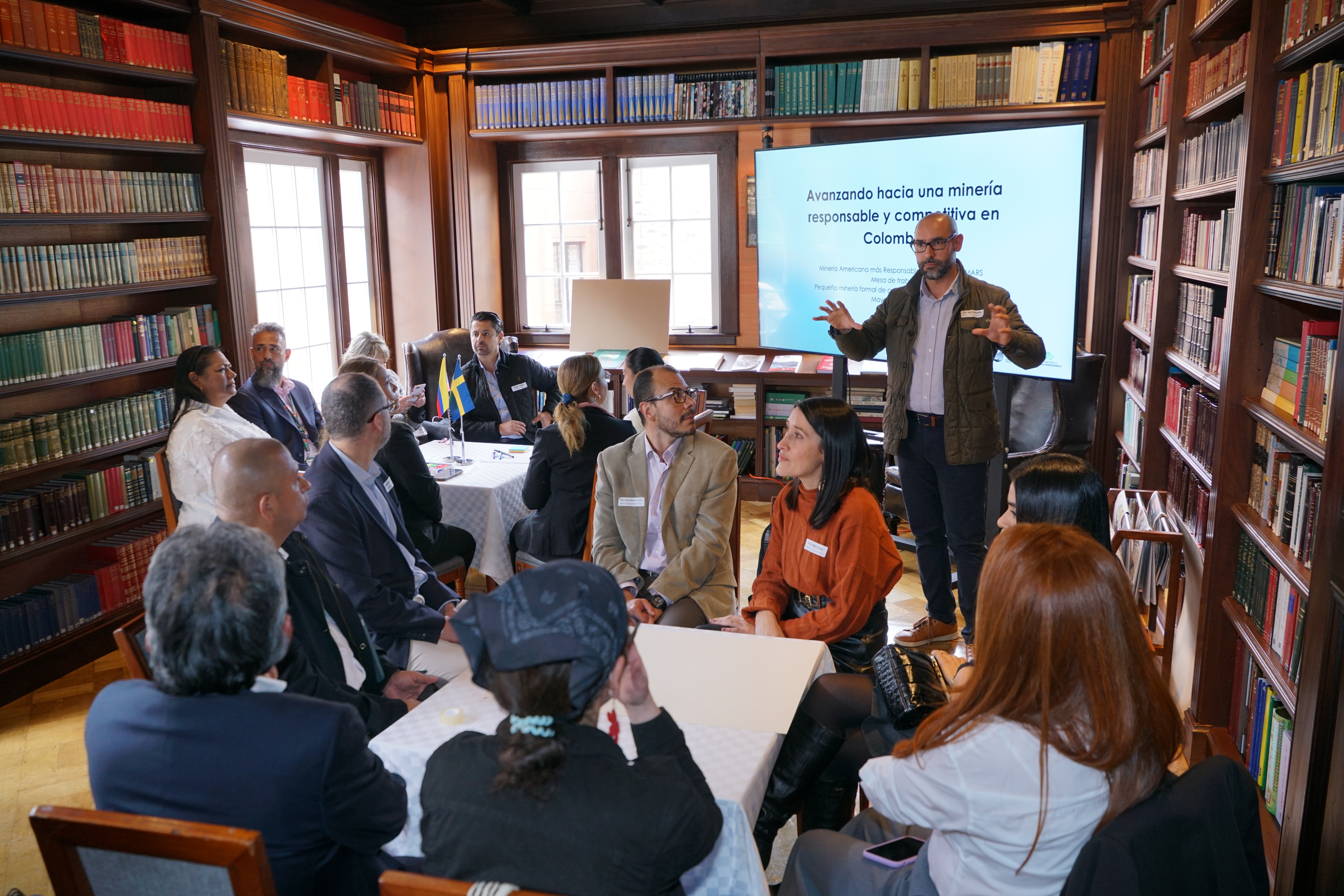
Stakeholder gathering in Medellín, Colombia, 2025.

July 2025 // Field Visit to the Fairmined process in Iquira, Huila, Colombia

This exchange focused on concrete practices in associativity, governance, environmental management, and market access among formal small-scale miners.

“It is necessary to enhance the mining and productive vocation that has always been present by tradition in the communities and
territories.” Representative of a formal small-scale gold mining company.
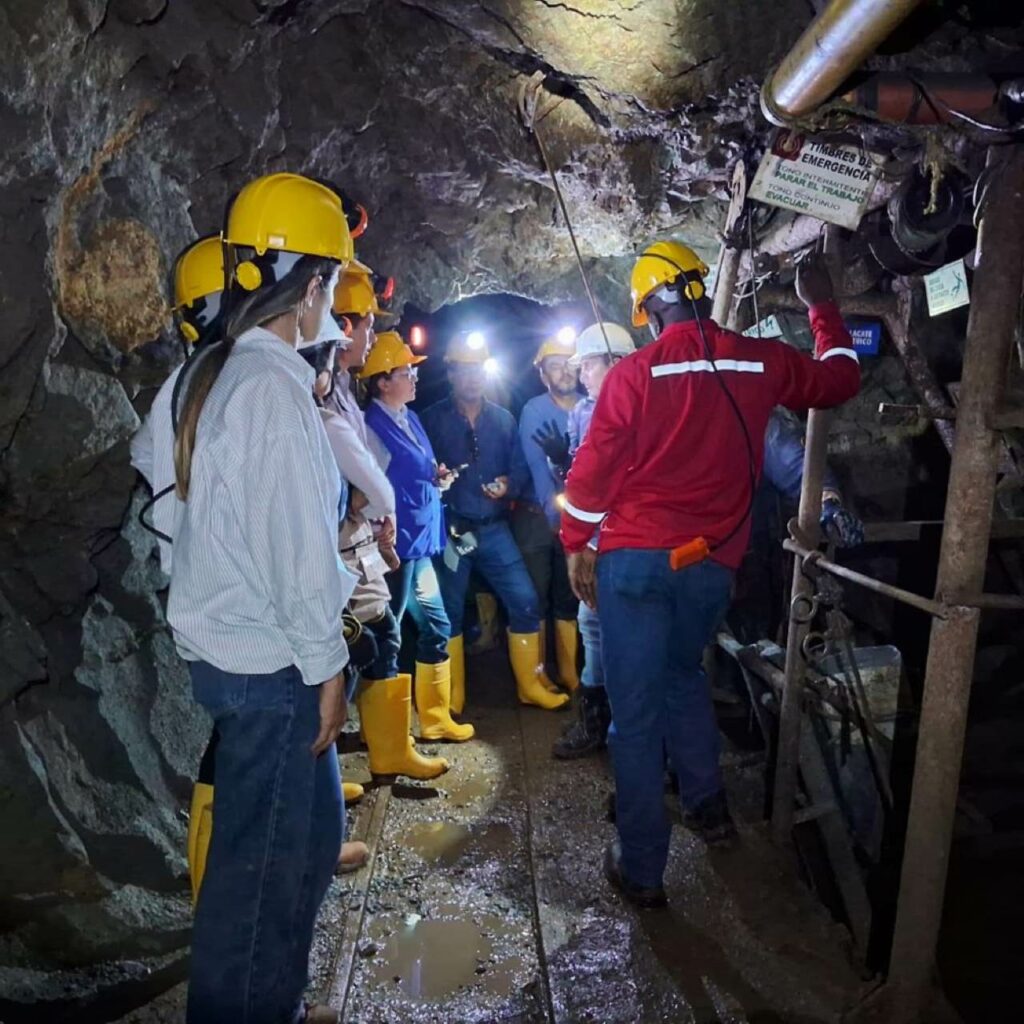
Visit to a mine in Íquira, Huila, Colombia, 2025.

May 2025 // Launch with stakeholders

The launch made the formal small-scale gold mining proposal more visible, connected actors, and prepared the ground for capacity-building activities and later exchanges.
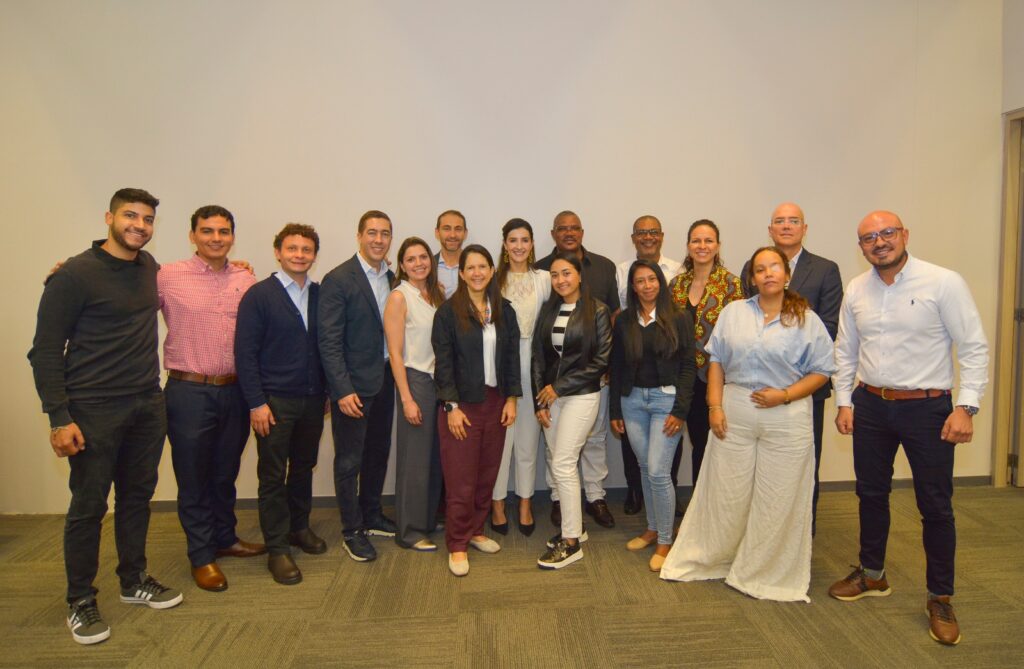
Gathering and starting the conversation in Bogotá. May 2025

2024 // Project initiated

Designed to support more responsible and sustainable formal small-scale gold mining in Colombia. The first stage focused on building interest and a common understanding among key actors on formal small-scale gold mining through a baseline study, partner engagement, introductory training, and evidence-based dialogue.

“We used to focus on production; today, we understand that responsible mining also means protecting people and building trust throughout the value chain.” Representative of a formal small-scale gold mining company.

Implementing partner

The Alliance for Responsible Mining (ARM) is an international non-governmental organization with more than 22 years of experience and a presence in over 40 countries around the world. Headquartered in Medellín, Colombia, ARM works to transform artisanal and small-scale mining (ASM) into a dignified, safe, and environmentally responsible activity that contributes to improving the lives of miners, their families, and their communities.
Contact MARS staff at NIR

EXECUTIVE SUMMARY

This executive summary presents the findings from the study “Workplace Cooperation: Finding Practical Solutions in the Colombian Context,” conducted by the Fundación Ideas para la Paz (FIP). The study evaluates the added value of the Swedish Workplace Programme (SWP) dialogue and cooperation model within the Colombian labor market.

Throughout 2022, FIP dedicated efforts to thoroughly understand the SWP model, including its concept, foundations, implementation process, and contributions to the labor market. In 2023, FIP documented the experiences of three companies—SKF Latin Trade, Securitas, and Epiroc—that implemented the SWP model in practice. The study also included face-to-face workshops to gather feedback from various stakeholders including civil society, businesses, government, academia, and international cooperation. The findings suggest that the SWP model has the potential to strengthen labor relations, contribute to decent work, and resolve workplace conflicts in Colombia.

The case studies highlight the importance of collaboration between employers and workers to promote decent work and sustainable development in Colombia. They demonstrate that social dialogue facilitates worker participation in labor decision-making, enhances their representativeness, and promotes cooperation between employers and employees, thus improving labor relations and contributing to the well-being of both employees and companies.

The SWP model is particularly noted for improving workplace relationships and commitment to jointly finding solutions to challenges faced by workers and the company. It empowers workers, enhances leadership, and helps integrate business policies into daily practices, reducing the initial disconnect between management objectives and the day-to-day realities of workers. The study also highlights the model’s capacity to manage conflicts constructively, transforming the perception of conflict as an opportunity for improvement. Structured dialogues deepen understanding of the underlying causes of conflicts, fostering empathy and facilitating effective resolution. This promotes a culture of collaboration and a democratic approach to decision-making, building trust.

Additionally, the model is recognized for enabling workers to make decisions, identify challenges, and propose solutions that impact their well-being, and bridging gender gaps in the workplace. Its inclusive approach adapts to the unique needs and characteristics of each company, promoting a stronger and more diverse organizational culture. It also drives good work performance and productivity by involving workers in problem identification and resolution, as well as in implementing improvements and efficiently identifying ESG (Environmental, Social, and Governance) risks for companies.

The document identifies the SWP model’s added value in empowering direct interaction among labor stakeholders in Colombia, overcoming historical or cultural reservations, and contributing to the development of stronger labor relations and improved workplace environments in the country.

Challenges and opportunities of the model are also discussed. The study points out the importance of addressing value chain risks, particularly in a global context where corporate clients demand decent work processes and due diligence. It emphasizes the need to integrate SMEs into this process and use anchor companies as drivers of social dialogue throughout the value chain. The role of the state in social dialogue and the importance of highlighting the benefits of the model for adoption across various business sectors are discussed.

The opportunities of the model include raising awareness of human rights in the workplace in line with the United Nations Guiding Principles (UNGP), to strengthen due diligence, manage risks, promote long-term sustainability, and improve organizational culture. The document also underscores the importance of involving workers in change processes, leveraging their insights for continuous improvement of processes, and fostering innovation opportunities. Lastly, it suggests replicating the model in value chains to address work environment risks and gender biases, involving suppliers and contractors, and integrating the model into corporate policies to strengthen existing programs and transform organizational culture towards resource efficiency and effective participation of employers and workers.