As lithium exploration expands across the Argentine Puna (Argentina’s portion of the Andean Altiplano shared with Bolivia and Chile), so do concerns over the future of freshwater in this fragile landscape. The wetlands and shallow lakes within the closed watershed that contains the Pastos Grandes salt flat in the Salta Province sustain both local ecosystems and the daily lives of people living in the small community of Santa Rosa de los Pastos Grandes.
Lithium is central to the global energy transition, primarily for its use in the production of batteries. While creating new economic opportunities it also raises questions about how water should be managed, protected, and shared should production begin within the Pastos Grandes watershed.
Together with implementing partners, we support the co-construction of an evidence-based water management model that integrates water resources, aquatic ecosystems, local livelihoods, and biodiversity in support of negotiations between regulators, mining interest, and local communities.
Successful negotiations in the Pastos Grandes watershed, informed by reliable analysis demonstrate how inclusive water management can constitute a policy proposal for responsible lithium production in Argentina’s Puna region, helping communities, companies, and authorities use shared evidence in decision-making to reduce risks, strengthen accountability, and address water-related impacts, in line with RBC standards.
This will be accomplished by:
Community representatives and women leaders, provincial authorities, Lithium Argentina, Ganfeng Lithium and academics met in Santa Rosa de los Pastos Grandes to strengthen understanding of the basin and capacities to analyse future lithium production scenarios using a model integrating stakeholder data and perspectives on surface water, groundwater and aquatic ecosystems.
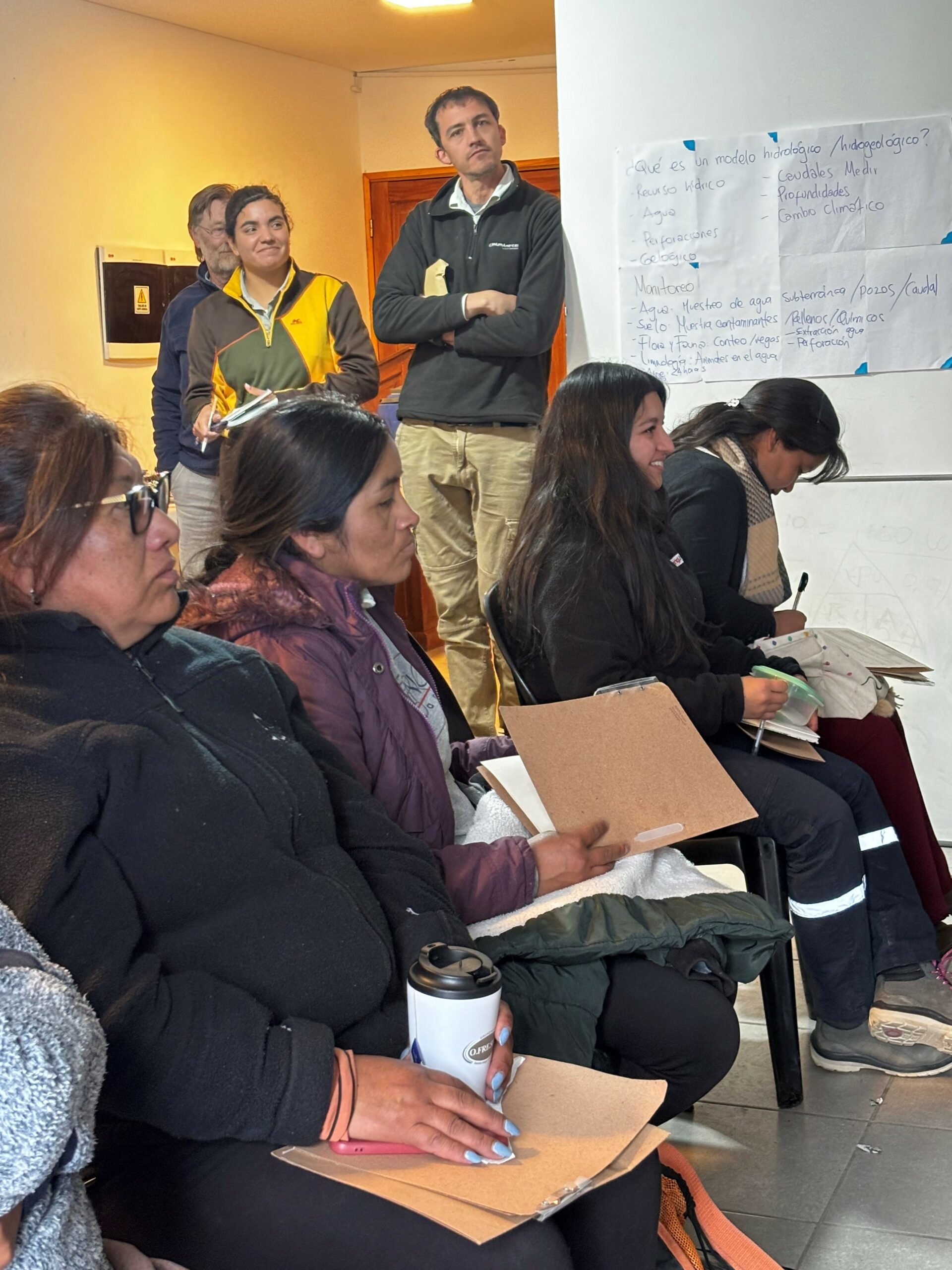
Stakeholders attending the workshop in Pastos Grandes. October 2026
Stakeholder capacity is developed through trainings on use of the plan, preparing for joint planning and action.
In collaboration with the Intergovernmental Forum on Mining, Minerals, Metals and Sustainable Development (IGF), a consultant is reviewing legal and institutional frameworks in Catamarca, Salta and Jujuy to strengthen responsible water governance for future lithium production.
Recognised frameworks WEAP and MODFLOW are integrated to strengthen credibility and usability for stakeholders.
A problem-formulation workshop was held in Santa Rosa de los Pastos Grandes with community members, public authorities, and mining company representatives. The space helped clarify the model’s purpose and agree on next steps.
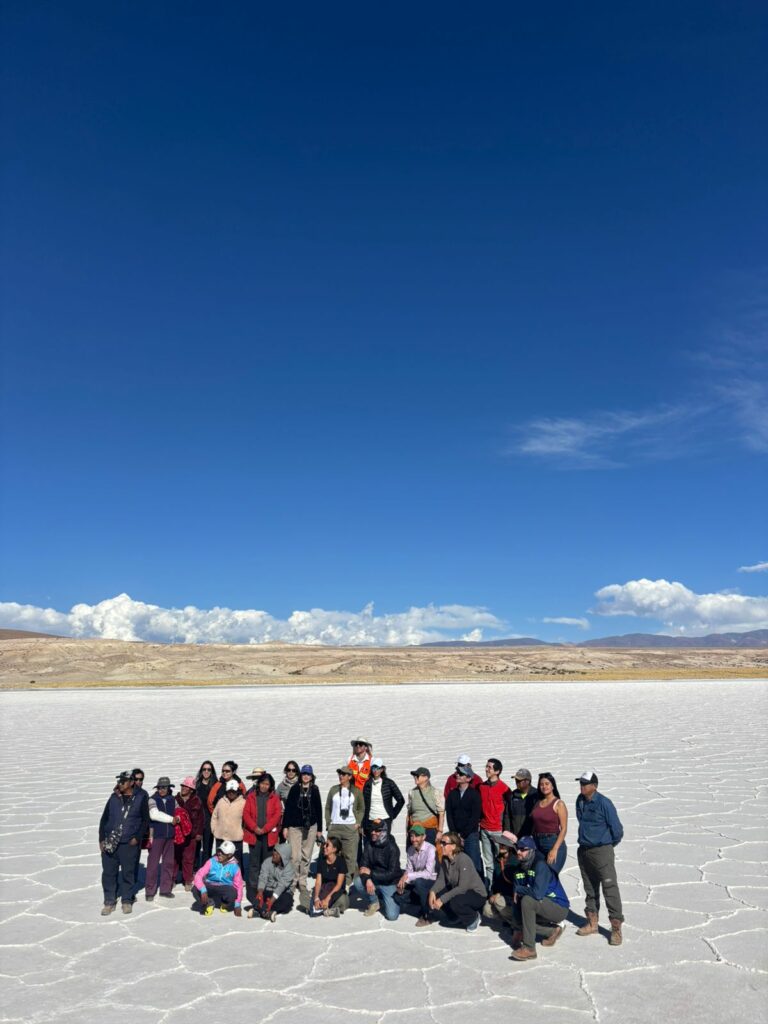
Project stakeholders gathered in Pastos Grandes in June 2025
A community pre-workshop and technical training sessions helped align local knowledge with the draft model. This strengthened the inclusive approach to model co-construction.
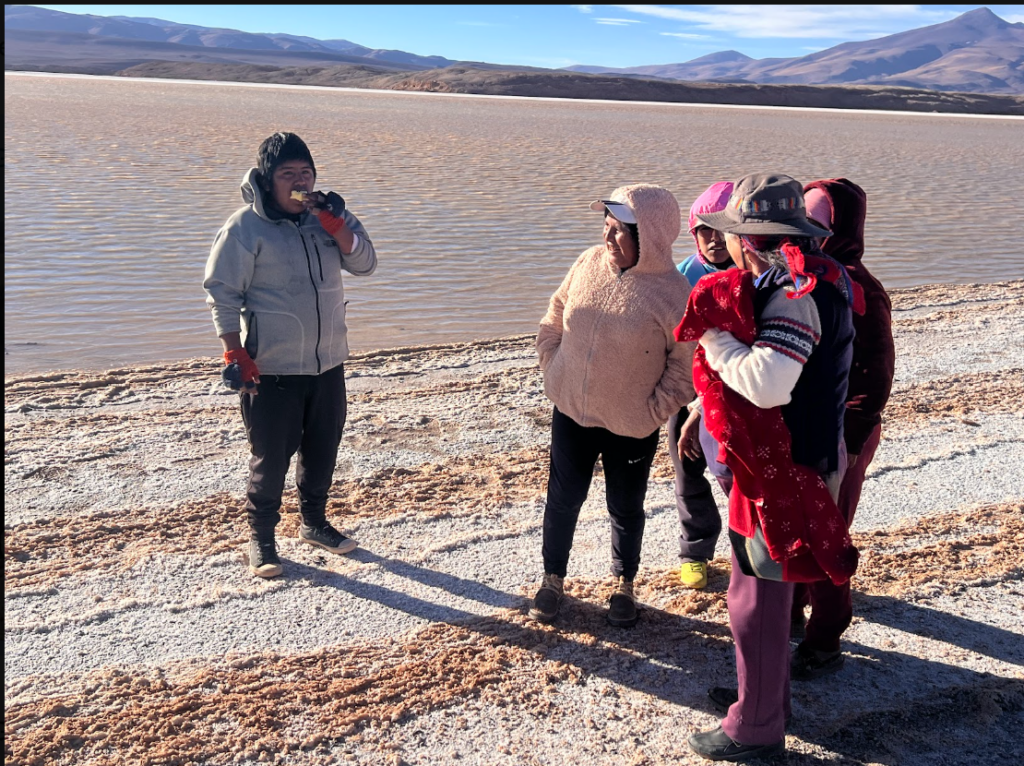
Community members during a visit to Santa Rosa de los Pastos Grandes, 2025.
Data is reviewed, gaps identified, and inputs combined into an initial draft.
Data from communities, authorities, and the mining company is collected to feed into the model. Also, an Expert Council is formed to guide the work. An Expert Council of multidisciplinary academic specialists is formed to provide technical guidance and review the water management model, strengthening its credibility for communities, authorities and companies.
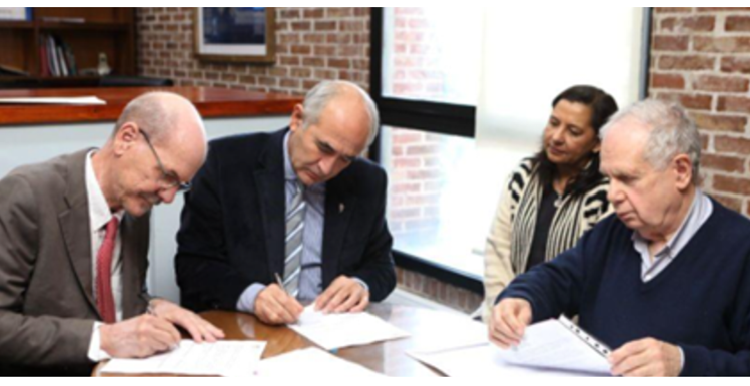
Signing of the Expert Council agreement in the community of Santa Rosa de los Pastos Grandes. 2025
Laying the groundwork for an inclusive water management model in lithium-producing salt flats in Argentina’s Puna. MARS built on prior participatory experience in Chile and explored its potential adaptation in Argentina and Bolivia.
The Stockholm Environment Institute (SEI) leads the impact project implementation in Argentina, bringing scientific expertise, data analysis, and watershed modelling to help turn evidence into informed and collaborative water decisions.
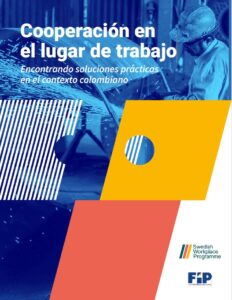
This executive summary presents the findings from the study “Workplace Cooperation: Finding Practical Solutions in the Colombian Context,” conducted by the Fundación Ideas para la Paz (FIP). The study evaluates the added value of the Swedish Workplace Programme (SWP) dialogue and cooperation model within the Colombian labor market.
Throughout 2022, FIP dedicated efforts to thoroughly understand the SWP model, including its concept, foundations, implementation process, and contributions to the labor market. In 2023, FIP documented the experiences of three companies—SKF Latin Trade, Securitas, and Epiroc—that implemented the SWP model in practice. The study also included face-to-face workshops to gather feedback from various stakeholders including civil society, businesses, government, academia, and international cooperation. The findings suggest that the SWP model has the potential to strengthen labor relations, contribute to decent work, and resolve workplace conflicts in Colombia.
The case studies highlight the importance of collaboration between employers and workers to promote decent work and sustainable development in Colombia. They demonstrate that social dialogue facilitates worker participation in labor decision-making, enhances their representativeness, and promotes cooperation between employers and employees, thus improving labor relations and contributing to the well-being of both employees and companies.
The SWP model is particularly noted for improving workplace relationships and commitment to jointly finding solutions to challenges faced by workers and the company. It empowers workers, enhances leadership, and helps integrate business policies into daily practices, reducing the initial disconnect between management objectives and the day-to-day realities of workers. The study also highlights the model’s capacity to manage conflicts constructively, transforming the perception of conflict as an opportunity for improvement. Structured dialogues deepen understanding of the underlying causes of conflicts, fostering empathy and facilitating effective resolution. This promotes a culture of collaboration and a democratic approach to decision-making, building trust.
Additionally, the model is recognized for enabling workers to make decisions, identify challenges, and propose solutions that impact their well-being, and bridging gender gaps in the workplace. Its inclusive approach adapts to the unique needs and characteristics of each company, promoting a stronger and more diverse organizational culture. It also drives good work performance and productivity by involving workers in problem identification and resolution, as well as in implementing improvements and efficiently identifying ESG (Environmental, Social, and Governance) risks for companies.
The document identifies the SWP model’s added value in empowering direct interaction among labor stakeholders in Colombia, overcoming historical or cultural reservations, and contributing to the development of stronger labor relations and improved workplace environments in the country.
Challenges and opportunities of the model are also discussed. The study points out the importance of addressing value chain risks, particularly in a global context where corporate clients demand decent work processes and due diligence. It emphasizes the need to integrate SMEs into this process and use anchor companies as drivers of social dialogue throughout the value chain. The role of the state in social dialogue and the importance of highlighting the benefits of the model for adoption across various business sectors are discussed.
The opportunities of the model include raising awareness of human rights in the workplace in line with the United Nations Guiding Principles (UNGP), to strengthen due diligence, manage risks, promote long-term sustainability, and improve organizational culture. The document also underscores the importance of involving workers in change processes, leveraging their insights for continuous improvement of processes, and fostering innovation opportunities. Lastly, it suggests replicating the model in value chains to address work environment risks and gender biases, involving suppliers and contractors, and integrating the model into corporate policies to strengthen existing programs and transform organizational culture towards resource efficiency and effective participation of employers and workers.